
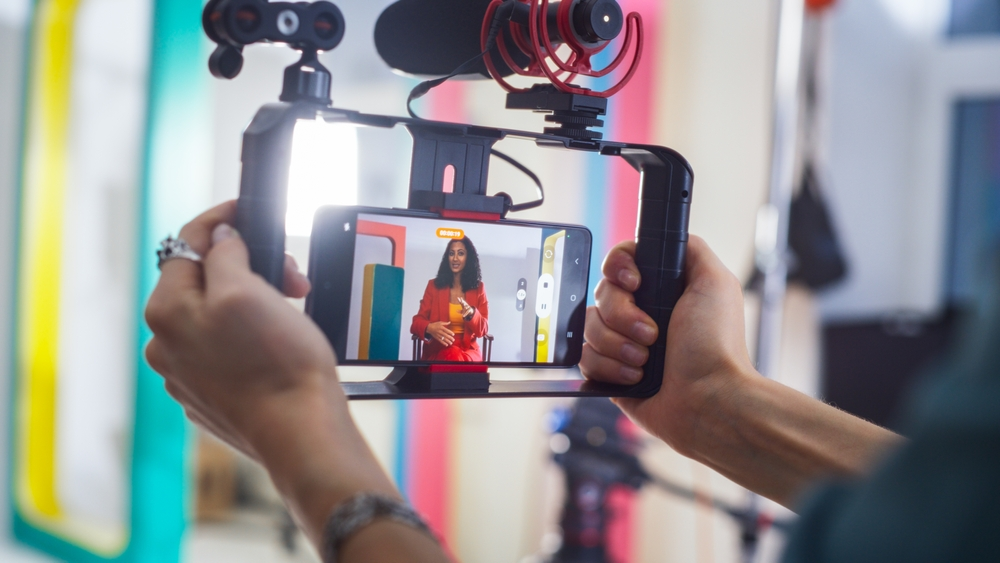
If your brand video isn’t driving leads, it’s not because the footage isn’t pretty. It’s because the video is built like a “film”… while your audience watches like a scroll.
They give you seconds. Not minutes. They don’t wait for the message to arrive. They don’t care how expensive it looks if it doesn’t hit fast. And they definitely don’t convert off a single hero video that can’t be reused across ads, reels, landing pages, and sales follow-ups.
This is the media-first shift in 2026: stop treating video as one deliverable and start building it as a system. In this guide, you’ll learn when videography beats cinematography (and when it doesn’t), what creative storytelling actually means for brand video, how messages spread without trend-chasing, how AI speeds up production without flattening creativity, and the best digital agency, KUAMP, that provides you with the exact outputs that keep campaigns alive.
Videography vs Cinematography
These two get mixed up constantly, and it causes bad decisions, especially around the budget.
Videography
It is usually built for coverage and speed. It’s focused on capturing what’s happening and delivering something clean and usable, often with lighter crews and faster turnaround. It’s perfect when the goal is volume, consistency, and agility, social series, events, behind-the-scenes, interviews, quick product updates.
Cinematography
It is built for intention. It’s not just “higher quality.” It’s a different mindset: visual storytelling, controlled lighting, deliberate composition, and a look that feels crafted from frame one. It’s the right choice when the story needs to feel premium, emotional, or iconic—brand films, hero campaign spots, high-stakes product launches, flagship ads, cinematic doc-style pieces.
The smart move in 2026 isn’t picking one forever. It’s knowing when you need speed and when you need impact.
Use Cases That Actually Make Sense
Videography wins when you’re feeding a content engine. If you’re building momentum weekly, documenting real moments, or creating a steady stream of assets that keep your brand visible, videography is a strong fit because it’s scalable.
Cinematography wins when you need a brand moment. The type of work that makes people pause, feel something, and remember your name. It’s also the kind of work that can anchor your entire content system, because once you have a strong hero story, you can repurpose it into dozens of versions.
The biggest mistake brands make is using videography when they need cinematic storytelling, or spending cinematic money when the content is going to be consumed like a quick scroll asset anyway.
Costs, Explained Without Fluff
Costs aren’t about “how many minutes.” They’re about complexity.
Videography usually costs less because it often means smaller crews, fewer moving parts, simpler setups, fewer locations, and faster post-production. It’s designed to move quickly.
Cinematography costs more because it typically involves heavier pre-production, bigger crews, more equipment, more control of light and environment, higher-end direction, and more post work to achieve a polished look. You’re paying for craft and precision.
The smartest budget strategy is often hybrid: use cinematic production for the hero narrative, then use videography-style capture to extend the campaign with supporting content that keeps it alive.
What Creative Storytelling Means In Brand Video
Creative storytelling isn’t “telling your brand story.” It’s making the audience care before they know they’re being sold to.
In practice, creative storytelling means you’re not just listing features. You’re building a narrative that creates tension and release. You’re showing a problem, a shift, a moment, a belief, something human. That’s why the best brand videos feel like scenes from real life, not a corporate slideshow with music.
The reason this matters for lead generation is simple: a story builds trust faster than claims do. People don’t convert because you said you’re great. They convert because your message felt clear, credible, and relevant to their world.
A media-centric agency treats storytelling like architecture: hook first, meaning second, brand last, but still present throughout.
What Makes A Message Go Viral Without Chasing Trends
Viral isn’t a strategy. It’s a side effect of alignment.
Most brands chase trends because they want to reach. But reach without trust doesn’t convert, and trend-chasing often makes brands look late, generic, or desperate.
If you want content that spreads without chasing trends, the formula is usually this:
- The message is instantly clear. People understand it in seconds.
- The hook lands early. Not “build-up,” not “slow intro,” not “wait for it.”
- The idea feels familiar, but said in a new way. It hits something people already feel.
- The content is easy to share. It makes the viewer look smart, funny, helpful, or “in the know.”
- The execution matches the platform. The format feels native, not forced.
The biggest difference between “viral” and “ignored” is usually not the budget. It’s whether your message is designed for how people behave: fast decisions, emotional triggers, and social sharing logic.
A KUAMP-style approach focuses on cultural relevance and sharp messaging so the content earns attention because it belongs, rather than because it copied what’s popular this week.
How AI Is Reshaping Video Production Without Killing Creativity
AI isn’t replacing creative production. It’s replacing the slow parts that drain energy.
In 2026, AI is most valuable when it speeds up decisions and removes friction, so humans can spend more time on the story, the craft, and the emotional punch.
Here’s where AI is genuinely changing workflows in a healthy way:
- Pre-production Gets Smarter: Teams can explore directions faster, test hooks earlier, and tighten the narrative before spending real production budget.
- Editing Gets More Efficient: AI can help organize footage, create rough assemblies, surface selects, and accelerate versioning, so the team can focus on pacing, clarity, and brand tone.
- Distribution Thinking Improves: AI can support performance analysis, help identify which cuts hold attention, and guide what variations to produce next, without reducing creativity to “data.”
But AI only wins when it’s used as a tool, not a replacement. If AI makes everything faster, but the story is still weak, you just end up producing forgettable content at high speed.
The creative edge still comes from human judgment: what’s culturally true, what feels emotionally honest, what the audience will trust, and what the brand should never say.
Media-First Outputs That Keep Campaigns Alive
Short Clips
These are built for attention. Hooks that land immediately, punchy edits, and clean messaging. They’re ideal for paid social, organic reels, and top-of-funnel discovery, especially when you need volume without losing quality.
Visual Explainers
When the offer is complex, explainers convert. These can be product walkthroughs, “how it works” edits, problem-solution narratives, or quick brand breakdowns that make your value obvious in under a minute. This is where clarity turns into enquiries.
Embedded Reels
Reels aren’t just for social. Embedded reels on landing pages, service pages, and email campaigns can improve trust and reduce drop-off because they do what text can’t: they show tone, proof, confidence, and credibility instantly.
Quote Cards
Quote cards work when they’re not generic. The best ones pull a sharp line from the video, something that feels like a truth, not a slogan. They’re simple, fast to consume, and effective as supporting assets that reinforce the message across the campaign.
The real win is using one campaign idea to generate all four outputs, so your story shows up consistently everywhere your audience makes decisions.
Why KUAMP Fits a Media-First Brand
KUAMP is built for brands that don’t just want a “good-looking video,” but a content system that actually performs. Their approach connects culture-led strategy with full-service production agency and engagement thinking, so the story hits fast, stays relevant, and scales into the formats modern audiences consume daily. Instead of treating distribution as an afterthought, KUAMP builds with outputs in mind, creating campaigns that can live as short clips, social edits, explainers, and high-impact hero pieces without losing the message or the momentum.
Conclusion
A media-centric video strategy in 2026 isn’t about making more content. It’s about making content that travels, built on clear messaging, strong storytelling, platform-native execution, and a production approach that matches the moment.
Know when you need videography and when you need cinematography. Build stories people care about before you sell. Design messages that spread because they’re culturally aligned, not because you copied a trend. Use AI to accelerate workflows without flattening creativity. And always produce with output in mind, short clips, explainers, reels, and quote cards that keep the campaign working long after launch day.
If you want a media-first content system built to perform across platforms, without trend-chasing and without one-off thinking, talk to a KUAMP Production Strategist and map the smartest path from concept to distribution.