Influencer marketing is no longer just a buzzword. What began as a niche approach has become an essential part of marketing today. Influencer marketing is expected to take up a big part of global advertising budgets by 2025. This is because technology is getting better and people are changing how they buy things.
For organizations and enterprises who want to get the most out of their investments, it is important to remain ahead of these changing influencer marketing trends in 2025. This blog will talk about important trends, how to use them in real life, and how to change your influencer content strategy to stay competitive in the creative economy. We at KUAMP are always on top of these changes, helping businesses like yours find their way through the ever-changing world of influencer marketing trends. We know the best ways to help your brand reach its marketing goals.
Why Influencer Marketing is Thriving
The rise of influencer marketing trends shows that people are altering how they want to see ads. People are more likely to trust what influencers say than what standard ads say. This change shows that people want to feel connected, personalized, and like they matter. This makes an influencer’s recommendations more powerful than old-fashioned techniques like TV ads.
Influencer Marketing Trends in 2025 You Should Know
1. The Rise of Hyper-Niche Influencers
Consumers like things that are specific. Brands are moving away from working with macro or celebrity influencers and instead working with hyper-niche influencers who are great at reaching smaller, more engaged audiences. These influencers are very trusted and get more targeted conversions, whether they are knitting enthusiasts, eco-friendly travel bloggers, or niche tech analysts.
How to Take Advantage of This Trend:
- Don’t just look at how many followers you have. Put comments and shares ahead of other engagement metrics.
- In 2025, use platforms like Aspire or Grin to find important creators in niche markets.
2. AI-Driven Influencer Platforms
Brands are using AI and machine learning more and more to find the best influencers, guess how much money a campaign will make, and make the most of partnerships. These technologies make it easier to choose influencers and run campaigns by taking the guesswork out of the process.
What to Watch:
- AI-powered platforms like Upfluence that can check the authenticity of influencers and their patterns of engagement.
- Algorithms that change the messages in a campaign to fit the audience of an influencer, making endorsements feel more real.
3. Short-Form Video Dominance
Platforms like TikTok, Instagram Reels, and YouTube Shorts have made short-form videos the most interesting type of content. By 2025, influencers will be pushing the limits of creativity on these sites, using short but powerful videos to promote everything from new products to brand awareness.
Best Practices:
- Work with influencers who are good at making short videos that are high-quality and grab people’s attention.
- For the most shares, make sure your content is educational, has tutorials, or tells stories that people can relate to.
4. The Integration of AR/VR Experiences
Influencers are starting to use augmented reality (AR) and virtual reality (VR) to give people full brand experiences. For instance, influencers who show off home decor may use AR to let their followers see how the items would look in their own homes.
How to Adapt:
- Use AR and VR technologies to make your influencer content strategies more interactive by showing off products.
- Work with creative people who are good at tech-focused platforms like Snapchat or Spatial.io.
5. Subscription Content and Exclusive Communities
The creator economy trends suggest influencers will increasingly monetize their content through exclusive fan communities, memberships, and paid subscriptions. Platforms like Substack and Patreon are becoming vital tools for influencers seeking to deliver premium-tier services to their most loyal audiences.
Opportunities for Brands:
- Give these groups “behind-the-scenes” access or special Q&A sessions as a sponsor.
- Work with influencers to make subscription perks that both brands can use.
6. Ethical Marketing and Social Responsibility
People today want things to be real and people to be responsible. Gen Z and millennials are more likely to connect with influencers who promote brands that are socially responsible and focus on ethical content.
What This Means for Brands:
- Make working with influencers who share your brand’s social and environmental goals a top priority.
- Use campaigns to show how everyone is working together for things like climate action, diversity, and inclusion.
Emerging Influencer Platforms 2025
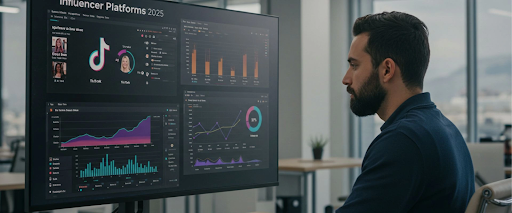
Instagram and TikTok are still the most popular social media sites, but smart brands are spreading their presence across a number of influencer platforms in 2025 to reach niche audiences and protect themselves from changes to the platforms.
- Threads: Threads is Meta’s text-based platform that works with Instagram. It lets people have real-time conversations and interact more directly, like X, but with strong ties to the Meta ecosystem.
- Reddit: Reddit is a goldmine for finding highly engaged, specialized audiences interested in specific topics because it has so many niche communities
- Twitch: Twitch is mostly known for gaming, but it is branching out into lifestyle, music, and creative content. It has live-streaming options and very interactive communities.
- Pinterest: Pinterest is a great place for visual, evergreen content, especially for home, lifestyle, and fashion brands, because content tends to last longer.
- Bluesky: Bluesky is a decentralized platform that puts user freedom first. It could be a new place for creators and brands to connect with their audiences directly and have more control over their content.
Exploring these diverse platforms allows brands to combat “creator content oversaturation” on mainstream channels and connect with audiences in more unique and targeted ways.
The Creator Economy Trends: What’s Next?
The creator economy trends indicate a significant maturation and expansion of the ecosystem:
- Creators as Entrepreneurs: Influencers are increasingly becoming full-fledged media companies, launching their own brands, product lines, and even subscription services. Brands will need to adapt their partnership models to align with these entrepreneurial endeavors.
- Creator-led IP (Intellectual Property): Expect to see more creators developing their own intellectual property, such as unique content series, characters, or product concepts, rather than solely promoting existing brands.
- Focus on Measurable ROI: As influencer marketing budgets increase, brands demand clear and quantifiable returns on investment (ROI). This means moving beyond vanity metrics like likes and focusing on engagement rates, click-through rates (CTR), conversion rates, and customer acquisition costs (CAC).
- Increased Regulation and Transparency: Regulatory bodies worldwide are tightening guidelines around influencer marketing disclosures. Clear labeling of sponsored content (e.g, #ad, #sponsored) will be non-negotiable across all content formats, including videos and live streams. Brands and influencers must prioritize transparency to maintain trust and avoid legal issues.

Crafting Influencer Content Strategies for 2025
To succeed in this evolving landscape, your influencer content strategies must be adaptable and innovative.
- Authenticity First: This cannot be stressed enough. Partner with creators whose values genuinely align with your brand. Encourage them to create content that feels natural to their style and audience.
- Diverse Content Formats: Don’t limit yourself to just static posts. Embrace short-form video, live streams, interactive polls, Q&As, and even long-form episodic content where appropriate.
- Performance-Based Partnerships: Consider affiliate marketing models where influencers earn commissions on sales they drive. This aligns incentives and ensures you’re paying for measurable results.
- User-Generated Content (UGC) Integration: Encourage your customers and followers to create content about your brand. This fuels trust and relatability, and it can be amplified through influencer partnerships.
- Strategic Repurposing: Maximize the value of influencer-created content by repurposing it across your own channels (with permission, of course) in ads, on your website, or in email campaigns.
Why You Should Adapt Now
By leveraging these emerging trends, your brand can future-proof its influencer marketing efforts while enhancing authenticity and relevancy. Trends like hyper-niche influencers, AR-driven campaigns, and focus on ethical marketing not only help you stand out but also build stronger relationships with your target audience.
Curious how to get started? KUAMP’s comprehensive influencer marketing services help align your brand with the right influencers while developing storytelling-driven campaigns that deliver measurable results.
Explore Tomorrow, Today
Staying ahead in the fast-paced world of influencer marketing trends requires agility and insight. With game-changing trends shaping the landscape, the brands that adapt sooner will cement their spot as leaders in 2025 and beyond. Don’t wait to take advantage of strategies that can transform your campaigns.
Partner with cultural disruptors like KUAMP to integrate storytelling, cutting-edge content strategies, and influencer partnerships into your marketing blueprints. Schedule a Consultation with KUAMP
FAQ About Influencer Marketing Trends
What will influencer marketing trends look like in 2025?
By 2025, influencer marketing trends will become more personalized, data-driven, and immersive. AI platforms will play a central role in optimizing campaigns, and influencers will increasingly focus on short-form videos, ethical content, and subscription models to engage audiences.
What is the creator economy?
The creator economy refers to the ecosystem of individuals (influencers, content creators, and artists) who monetize their creative efforts through social platforms, ad revenues, and direct subscriptions. It’s growing rapidly as brands tap into this space to reach niche but highly engaged audiences.
How do I choose the right influencer for my campaign?
Start by identifying the essential metrics for your campaign. Look for influencers with high engagement rates rather than just large followings. Tools like Aspire or Upfluence can simplify this process by using data to evaluate influencer authenticity and compatibility with your brand.
Which platforms will dominate influencer marketing in 2025?
Platforms like TikTok, Instagram, YouTube, and emerging AR/VR-centric spaces will continue to dominate. However, platforms with strong community-driven features such as Discord or Patreon may also gain prominence for targeted campaigns.