
The knowledge of the difference between videography and cinematography can change your perspective on visual storytelling. Although these two terms are used interchangeably, they are two distinct approaches, skill use internally linking the blog without changing the texts, and creative philosophies in the video production world.
It is one thing to understand when to employ videography or cinematography when planning a corporate video or starting a brand campaign, and it is quite another when pursuing a career in the visual media. As a commercial production company, we have collaborated with videographers and cinematographers in large numbers, which has provided us with a special understanding of how each field is applied to different project requirements.
What is videography?

Videography is based on the documentary style of recording events, moments, and information in a simple way. The videographers have smaller crews, and they are more efficient, have a quick turnaround, and communicate the content in a way that is clear way.
The greatest objective of the videographer is to record what is happening in reality. Imagine a wedding video, company education, event news, or social media. These projects involve technical prowess; however, they are more focused on capturing real-life situations as opposed to artistic expression.
Videography has the following main features:
- Real-time documentation: Documentation of events in real time.
- Low crew demands: In many cases, only one or two individuals work with cameras and audio.
- Rapid production schedules: Shooting and editing in less time.
- Practical lighting: With available lighting or low-tech lighting arrangements.
- Direct storytelling: direct, clear narrative styles.
Videography is best in cases that demand serious and stable coverage of events or in situations where financial resources and time limits demand effective production techniques.
What is cinematography?
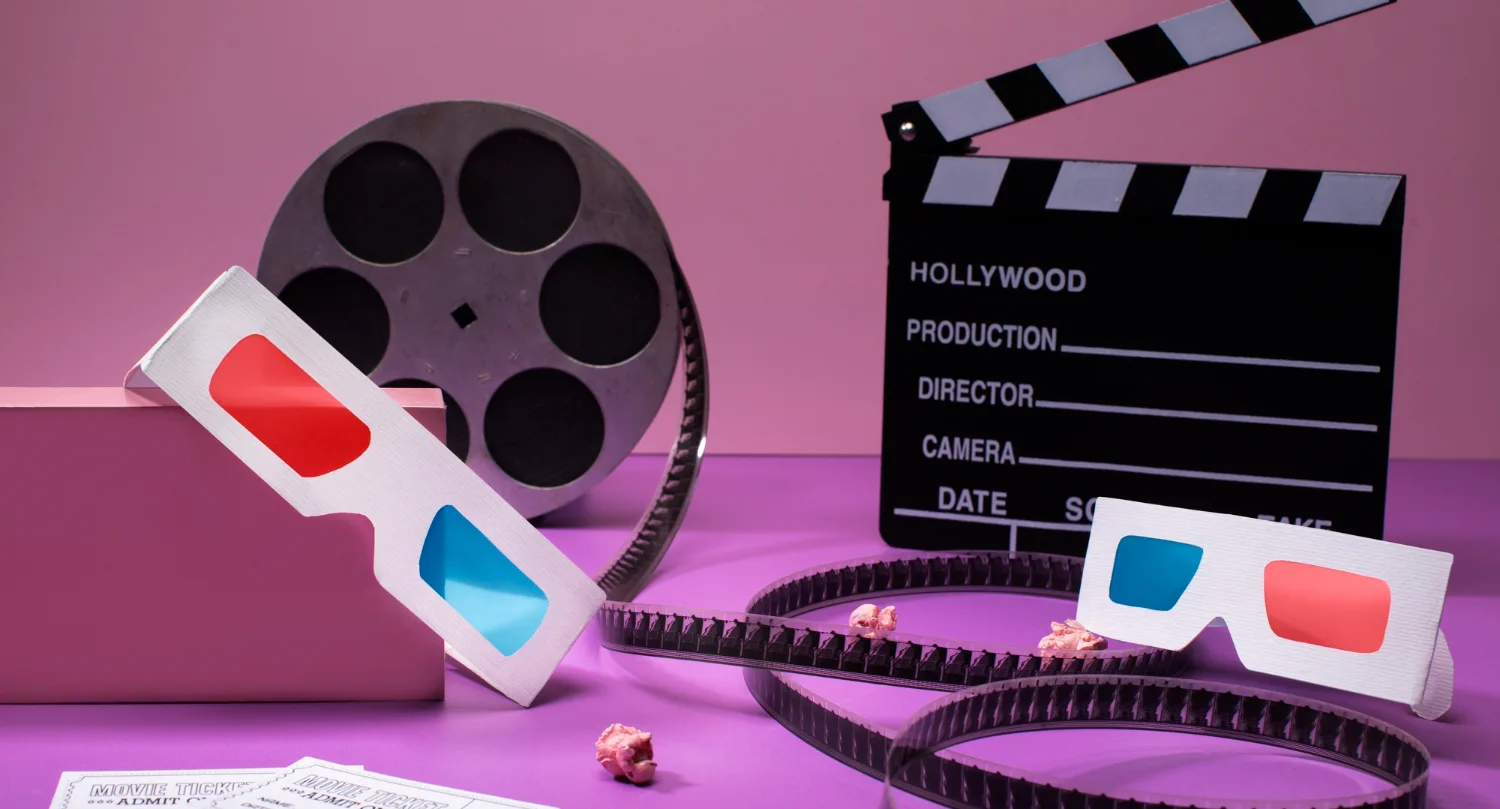
Cinematography transforms video making into a visual artwork. Any shot is made on purpose by cinematographers, who play with lighting, camera movement, color, and composition to bring a certain emotion to the viewer and to add some power to the narration.
The cinematographer does more than just film the interviews. They work hand in hand with the directors to establish a language of images that makes the story being told better. Each frame is written with a purpose of art.
Cinematography has the following main features:
- Visual storytelling: The ability to communicate emotion and meaning through the use of a camera.
- Complicated lighting design: The ability to create certain moods and atmospheres using lighting.
- Composition of the art: Framing every shot with great attention to visual effect.
- Color grading and post-production: Massive post-production to give the required appearance.
- Collaborative process: Working with larger creative departments such as the directors, gaffers, and art departments.
Cinematography is the most glorious in narrative stories, premium advertising work, music videos, and branded content, where the visual appeal and emotional response are the most crucial elements.
The Major Dissimilarity between Videography and Cinematography
- Technical Approach
The difference between videography vs cinematography begins with technical performance. Stabilized camera settings and lighting are common among videographers to achieve a similar and professional look regardless of the environment. They give importance to reliability and efficiency.
The cinematographers extend their limits to create certain visual effects. They may shoot with unique lenses, elaborate lighting setups, or elaborate camera movements, creating truths of cinema serving the narrative.
- Creative Process
Videography usually adheres to the best practices and proven formulas. The artistic choices would be on articulate communication and professional delivery instead of artistic originality.
Cinematography is extensive pre-planning of production (in terms of shots, lighting, and visual mood boards). The visual language of each project is formed under the conditions of the stories.
- Budget and Resources
The budgets and resources required in videography projects are generally lower. A good videographer is able to achieve professional work using simple equipment and a small crew.
Cinematography requires larger investments of equipment, crew, and time. The extra funds can be used to apply more advanced visual effects, but they need to be carefully planned in terms of budgeting.
- Timeline Considerations
The difference in video and cinema production is evident inaccessibly when putting an eye on timelines. Some videography projects may take a short time to finish, and others may be delivered within the same day or the next day.
In its production planning, cinematography projects take more time to take up complicated setups, multiple exposures, and lengthy post-production activities.
When to Choose Videography
Videography is effective in terms of meeting the specific project requirements:
- Corporate Communications: Videos that teach the lessons, company announcements, and internal communications all enjoy the advantage of straightforward, simple videography styles.
- Event Documentation: Weddings, live events, and conferences need videographers who are able to record key events without interfering with the event.
- Social Media Content: Short-form content on social networking sites is usually best served with effective video shooting.
- Educational Material: Videos and Web Courses. Educational videos and web courses focus more on providing clear information rather than using art.
- An Economical Project: In the case of limited resources, professional work can be conducted by skilled videographers.
When to Choose Cinematography
Cinematography is needed in projects that need to affect the emotions:
- Brand Campaigns: Premium advertising campaigns must have a movie-like quality to shine in the competitive markets.
- Narrative Content: Short videos, documentaries, and brand content will involve cinematographic elements to capture the emotional appeal of the audience.
- Product Launches: Large product reveals are treated as a movie, which develops a sense of excitement and desire.
- Corporate Brand Films: In cases where the company desires to take the brand perception to another level, cinematic techniques produce more powerful messages.
- Premium Content: Luxury brands and high-value services usually demand the level of cinematography to match their market position.
Comparison of Videographer vs Cinematographer: Careers
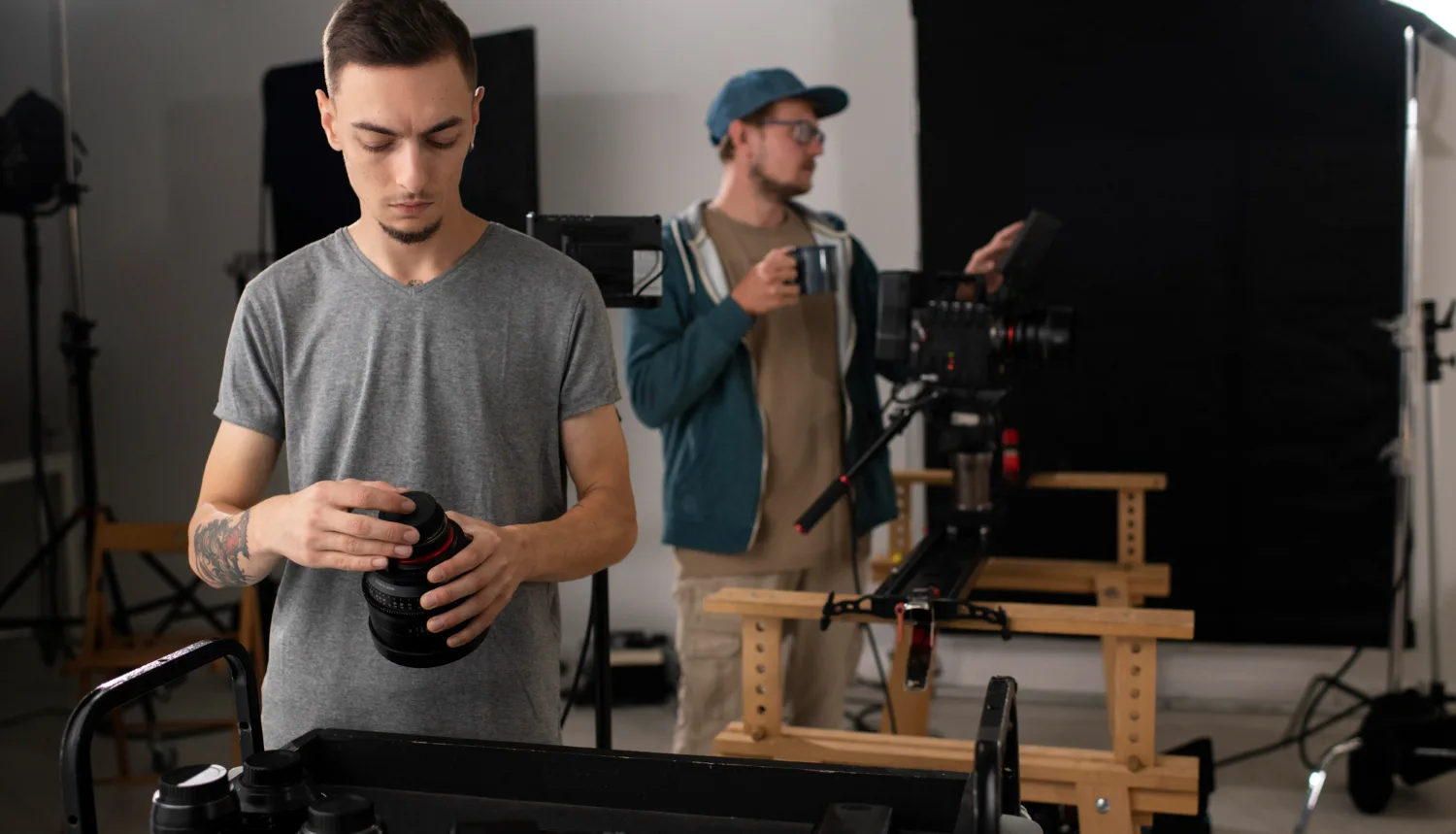
The career comparison between a videographer vs cinematographer shows alternative career paths:
- Videographer Career Path
Videographers usually begin with less significant tasks and create stable customer bases. They learn technical skills in a brief time and have the capability to make lucrative companies with exceptionally low investments in equipment.
The career development may involve investing in areas of specialization (corporate, wedding, real estate) or the development of ancillary services such as live streaming or podcast creation.
- Cinematographer Career Path
Cinematographers normally start as camera assistants or camera operators, where they are taught by other experts operating the cameras. The route is longer in terms of apprenticeships and can allow one to work on big movies, television shows, and high-budget commercials.
The development of a career usually requires establishing connections with the directors and producers, and also creating a specific visual style that could be identified in the sphere.
The Blurred Lines: Hybrid Approaches in the Modern World
Modern-day production is a growing experience of a combination of videography and cinematography. The effectiveness of videography, combined with the introduction of the elements of cinema choice, is useful in many projects.
Today, even professionals can be proficient in both methods and select methods according to the needs of the project and not according to strict categorical lines. This is more beneficial to the customers and opens up opportunities to the more creative individuals.
Cinematographic apparatus has been democratized by technology, too. The gear formerly necessitating large studio budgets is now available to smaller productions, allowing new hybrid methods that were not available in the past.
The Right Choice in Your Project
These are some factors to be considered in videography vs cinematography:
- Project Goals: What would you like to accomplish? Easy to understand conveying should be videographic with an emotional touch, implying cinematography.
- Audience Expectations: What is the location of your content? Social media may cooperate with videography, whereas television advertisements may be expected to possess a cinematographic level.
- Budget Reality: Tell the truth about resources. The use of cinematography involves a high cost of investment to implement it.
- Timeline Constraints: The hard deadlines may require videography solutions, whereas cinematography requires the time to be executed properly.
- Brand Positioning: What would you like to be known by? Cinematography treatment boosts brand perception, but it must be executed in all touchpoints.
Choosing the Right Visual Partner
The difference between cinematography vs videography will guide you on making calculated choices on what you require in terms of visual content. The two fields play significant functions in contemporary communication, and depending on the nature of your project, the most appropriate option would be to choose either.
Make your vision come alive as visual content by engaging with people who know the two methods and can advise you on the correct methods to use in achieving your objectives. Explore the art behind video creation and see which approach fits your storytelling style.
Frequently Asked Questions
What’s the main difference between videography and cinematography?
Videography focuses on documenting events and communicating information clearly, while cinematography uses visual techniques to enhance storytelling and create emotional impact. Videography prioritizes efficiency and clarity, whereas cinematography emphasizes artistic expression and visual aesthetics.
Is cinematography more expensive than videography?
Generally, yes. Cinematography requires larger crews, specialized equipment, longer production schedules, and extensive post-production work. Videography can often be completed with smaller teams and standard equipment, making it more budget-friendly for many projects.
Can one person do both videography and cinematography?
Absolutely. Many modern professionals master both approaches and choose techniques based on project requirements. The best practitioners understand when to apply videographic efficiency versus cinematographic artistry to serve their clients’ needs effectively.
Which career path has better prospects?
Both offer strong career opportunities but in different markets. Videography provides more immediate entry-level opportunities and steady client bases. Cinematography can lead to higher-profile projects and potentially higher earnings but requires longer skill development and relationship building.
How do I know which approach my project needs?
Consider your goals, audience, budget, and timeline. If you need clear documentation or a quick turnaround, videography works well. If you want emotional impact, brand elevation, or artistic expression, cinematography is worth the investment.