
Experiential marketing has transformed how brands connect with their audiences, moving beyond traditional advertising to create memorable, interactive experiences. As consumers increasingly seek authentic connections with brands, understanding what experiential marketing is and how it works becomes essential for businesses looking to build lasting relationships with their customers.
At KUAMP, a Commercial Production Company, we’ve witnessed firsthand how powerful experiential marketing can be when executed with cultural insight and creative excellence. This comprehensive guide explores everything you need to know about experiential marketing, from its core principles to practical implementation strategies that drive real results.
Understanding Experiential Marketing
What is experiential marketing? Simply put, it’s a marketing strategy that directly engages consumers by inviting them to participate in brand experiences. Rather than telling people about your product or service, experiential marketing lets them experience it firsthand through interactive events, demonstrations, or immersive activities.
This approach goes beyond traditional advertising methods by creating emotional connections between brands and consumers. Instead of passive consumption of marketing messages, audiences become active participants in brand experiences that leave lasting impressions.
Key Characteristics of Experiential Marketing
Successful experiential marketing campaigns share several important traits:
- Direct Engagement: Consumers interact directly with the brand, product, or service rather than simply observing advertisements.
- Memorable Experiences: These campaigns create moments that stick with participants long after the experience ends.
- Emotional Connection: The best experiential marketing campaigns tap into emotions, creating positive associations with the brand.
- Shareable Moments: Modern experiential marketing often includes elements designed for social media sharing, extending reach beyond immediate participants.

Types of Experiential Marketing
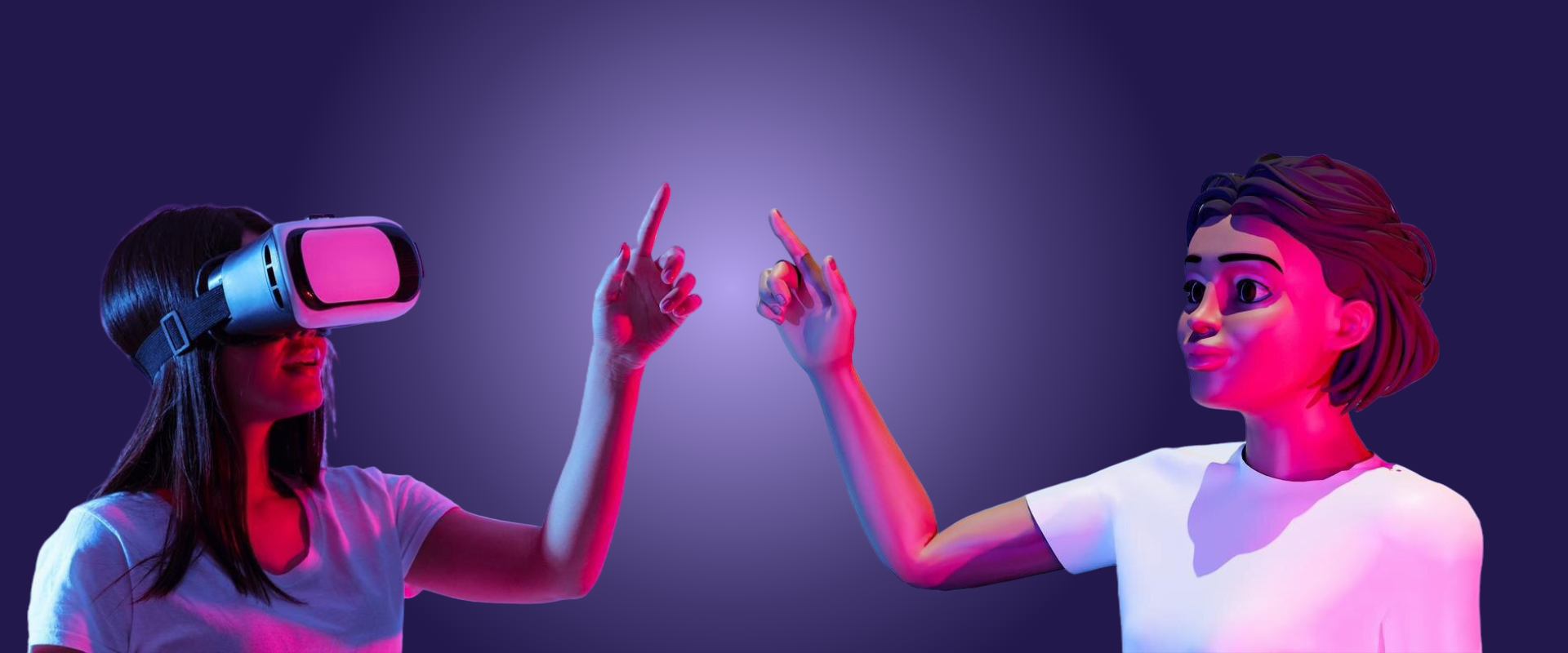
Understanding different types of experiential marketing helps businesses choose the right approach for their goals and audience.
Pop-Up Events and Installations
Pop-up events create temporary, location-based experiences that generate buzz and excitement. These might include:
- Temporary retail spaces in unexpected locations
- Interactive art installations featuring brand elements
- Product demonstration stations in high-traffic areas
- Themed environments that immerse visitors in brand stories
Live Events and Activations
Live events bring people together for shared brand experiences:
- Product launches with hands-on demonstrations
- Music festivals or concerts sponsored by brands
- Sports events featuring interactive brand zones
- Community gatherings centered around brand values
Immersive Brand Experiences
These experiences fully surround participants with brand messaging:
- Virtual or augmented reality experiences
- Themed environments that transport visitors
- Multi-sensory installations engaging sight, sound, touch, and even smell
- Interactive storytelling experiences
Sampling and Trial Programs
Direct product interaction remains a powerful form of experiential marketing:
- Free samples in engaging environments
- Trial periods with personalized guidance
- Demonstration events showing product benefits
- Hands-on workshops teaching product use
Benefits of Experiential Marketing
Experiential marketing offers unique advantages that traditional advertising cannot match. Understanding these benefits helps businesses justify investment in immersive marketing campaigns.
-
Enhanced Brand Awareness
When done well, experiential marketing creates memorable moments that participants naturally share with others. This word-of-mouth amplification extends campaign reach far beyond initial participants. Social media sharing of experiential content often generates organic engagement that traditional advertising struggles to achieve.
-
Deeper Emotional Connections
Face-to-face interactions create stronger emotional bonds between brands and consumers. Participants who enjoy positive brand experiences develop loyalty that translates into long-term customer relationships. These emotional connections often prove more valuable than simple brand recognition.
-
Increased Customer Loyalty
Customers who engage in meaningful brand experiences tend to develop stronger loyalty and a deeper connection with the brand. This loyalty often leads them to naturally share positive experiences with friends and family, which can be even more persuasive than traditional advertising since it comes from trusted voices.
-
Valuable Customer Insights
Experiential marketing provides opportunities to gather direct feedback from target audiences. Brands can observe customer behavior, preferences, and reactions in real-time, gaining insights that inform future marketing strategies and product development.
-
Measurable Results
Modern experiential marketing campaigns incorporate tracking mechanisms that demonstrate return on investment. Metrics might include:
- Social media engagement and reach
- Lead generation and conversion rates
- Brand sentiment improvements
- Customer lifetime value increases
How to Create Effective Experiential Marketing Campaigns
Building successful experiential marketing requires careful planning and execution across multiple phases.
Define Clear Objectives
Start by identifying specific goals for your campaign:
- Are you launching a new product?
- Do you want to increase brand awareness in a specific demographic?
- Are you trying to change perceptions about your brand?
- Do you need to generate leads or direct sales?
Clear objectives guide all subsequent decisions about format, location, messaging, and measurement.
Know Your Audience
Successful experiential marketing speaks directly to target audience interests and preferences. Research your audience thoroughly:
- What activities do they enjoy?
- Where do they spend time?
- What values matter most to them?
- How do they prefer to interact with brands?
This research informs every aspect of campaign design, from activity selection to messaging tone.
Choose the Right Format
Match your experiential format to both your objectives and audience preferences. Consider:
- Pop-up experiences work well for creating buzz and generating social media content
- Live events excel at building community and showcasing products
- Immersive installations effectively communicate complex brand messages
- Sampling programs prove ideal for introducing new products
Create Shareable Moments
Modern experiential marketing must consider social media amplification from the planning stage. Include elements specifically designed for sharing:
- Visually striking backdrops perfect for photos
- Interactive elements that create compelling video content
- Memorable takeaways that extend the experience beyond the event
- Unique hashtags that help track engagement
Measure and Analyze Results
Establish measurement criteria before launching your campaign:
- Track social media mentions and engagement
- Monitor website traffic and conversions during and after events
- Survey participants to gauge brand perception changes
- Calculate return on investment using relevant metrics
Event Marketing Strategies That Work

Event marketing strategies form the backbone of successful experiential marketing campaigns. These approaches help ensure your events create meaningful connections with attendees.
Pre-Event Engagement
Build anticipation before your event begins:
- Use social media teasers to generate interest
- Create exclusive invitation experiences for VIP customers
- Partner with influencers to expand reach
- Develop content that explains what attendees can expect
During-Event Activation
Maximize impact while your event is happening:
- Staff events with knowledgeable, enthusiastic brand representatives
- Create multiple touchpoints throughout the experience
- Encourage social sharing with photo opportunities and hashtags
- Capture contact information for follow-up marketing
Post-Event Follow-Up
Extend the experience beyond the event itself:
- Share a public thank-you note online to appreciate everyone who joined
- Share event highlights on social media channels
- Provide additional product information or special offers
- Use gathered data to inform future marketing efforts
Creating Memorable Brand Experiences
Brand experiences that stick with participants long after events end share certain characteristics that smart marketers can replicate.
-
Focus on Authenticity
Authentic experiences feel genuine rather than overly promotional. They align with brand values and speak to audience interests in meaningful ways. Avoid creating experiences that feel forced or purely commercial.
-
Engage Multiple Senses
The most memorable experiences engage sight, sound, touch, and sometimes taste or smell. Multi-sensory engagement creates stronger memory formation and more vivid recollections of brand interactions.
-
Tell Compelling Stories
Great experiential marketing tells stories that resonate with participants. These narratives might showcase brand heritage, highlight product benefits, or demonstrate shared values between brand and consumer.
-
Provide Value Beyond Marketing
The best brand experiences offer genuine value to participants, whether through education, entertainment, or practical benefits. When people feel they’ve gained something meaningful from the experience, they develop positive associations with your brand.
Immersive Marketing Campaigns: Best Practices
Immersive marketing campaigns create environments that fully engage participants, making them feel part of the brand story rather than passive observers.
Design for Your Space
Whether you’re working with a small pop-up area or a large venue, design elements should work together to create cohesive experiences. Consider:
- Traffic flow and participant movement patterns
- Lighting that enhances mood and brand messaging
- Audio elements that support rather than overwhelm
- Interactive elements positioned for maximum impact
Train Your Team
Staff members make or break experiential marketing campaigns. Ensure your team:
- Understands brand messaging and campaign objectives
- Can engage naturally with diverse audiences
- Knows how to handle questions and objections
- Feels empowered to create positive participant experiences
Plan for Different Engagement Levels
Not all participants will want the same level of interaction. Design experiences that accommodate:
- Highly engaged participants who want deep involvement
- Casual observers who prefer lighter interaction
- Social media focused attendees looking for shareable moments
- Busy people who need quick, efficient experiences
Incorporate Technology Thoughtfully
Technology should enhance rather than complicate experiential marketing. Consider how digital elements can:
- Capture participant information efficiently
- Create personalized experiences
- Generate shareable content
- Provide data for campaign measurement
KUAMP’s Approach to Experiential Marketing
At KUAMP, we understand that successful experiential marketing requires more than creative concepts—it demands cultural insight, strategic thinking, and flawless execution. Our approach combines deep audience understanding with cutting-edge production capabilities to create experiences that resonate authentically with diverse communities.
Our experiential marketing services include:
- Strategic planning that aligns campaign objectives with audience insights
- Creative development that brings brand stories to life through immersive experiences
- Production management that ensures smooth execution from concept to completion
- Performance measurement that demonstrates real return on investment
We’ve worked with brands like Google, HP, and Adidas to create experiential campaigns that generate buzz, build loyalty, and drive measurable results. Our cultural expertise helps brands connect authentically with diverse audiences through experiences that feel genuine rather than manufactured.
Transform Your Brand with Experiential Marketing
Experiential marketing represents the future of brand-consumer relationships. As audiences become increasingly skeptical of traditional advertising, authentic experiences that provide real value become more important than ever.
The brands that succeed in this environment will be those that understand their audiences deeply, create genuine value through their experiences, and execute campaigns with cultural insight and creative excellence.
Ready to create experiential marketing campaigns that truly connect with your audience? Contact KUAMP to explore how our services can transform your brand relationships and drive measurable results.
Frequently Asked Questions
What’s the difference between experiential marketing and traditional advertising?
Traditional advertising delivers brand messages to passive audiences through media channels. Experiential marketing invites audiences to actively participate in brand experiences, creating deeper engagement and stronger emotional connections.
How much should companies budget for experiential marketing?
Experiential marketing budgets vary widely based on campaign scope, duration, and objectives. Small local activations might cost a few thousand dollars, while major immersive campaigns can require hundreds of thousands. The key is ensuring your budget aligns with realistic campaign goals and expected returns.
How do you measure experiential marketing success?
Success metrics depend on campaign objectives but often include social media engagement, lead generation, brand awareness increases, and customer lifetime value improvements. Modern campaigns use multiple measurement tools to track both immediate impact and long-term results.
What industries benefit most from experiential marketing?
While any industry can use experiential marketing effectively, consumer goods, technology, automotive, fashion, and food and beverage companies often see particularly strong results. The key is matching experiential formats to audience preferences and product characteristics.
How long should experiential marketing campaigns run?
Campaign duration depends on objectives and resources. Pop-up experiences might last days or weeks, while ongoing sampling programs could run for months. The important thing is maintaining quality and engagement throughout the campaign period.